Why Words Disappear Mid-Sentence
By Wren · July 19, 2026
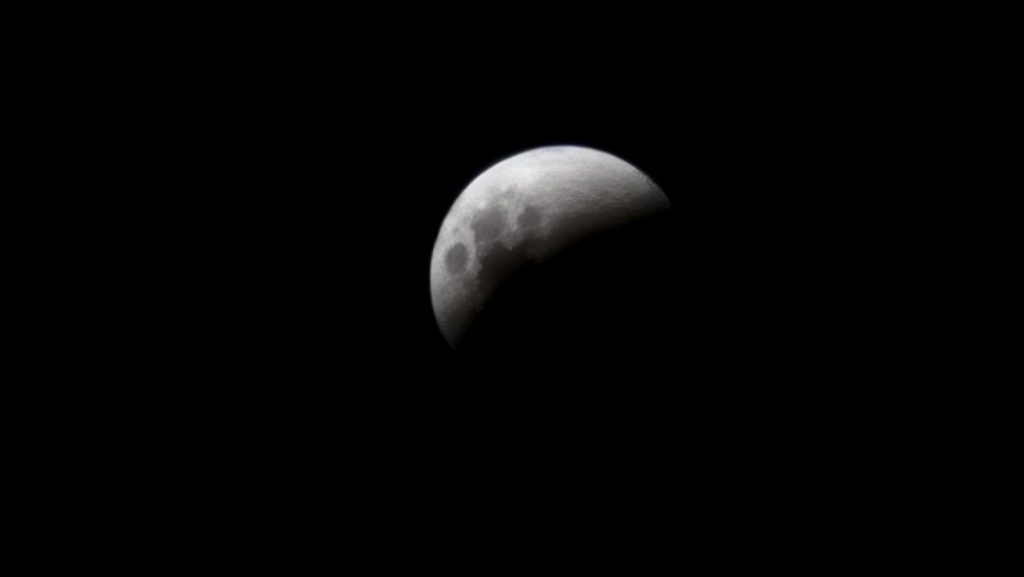
There’s a moth in the old stories that doesn’t eat wool. It eats names. It gets into a house at night, finds the word you were about to say, and leaves a hole exactly the shape of it. You still know the hole is there. You can trace its edges. You just can’t say what used to fill it.
I didn’t have that story when I needed it. I had the actual experience instead, years before anyone handed me the language for what was happening.
I’d be mid-sentence, in a work meeting, somewhere completely ordinary, and the next word would be gone. This wasn’t the usual tip-of-the-tongue fuzziness. It was gone, the way a room goes quiet when the power cuts. I could see the thing I meant. I could have drawn it, pointed to it, described every feature of it in a clumsy circle around the hole where the word should have been. What I couldn’t do was say it. So I’d gesture. I’d describe. I played a small, humiliating game of charades at the conference table more than once, hoping someone would just guess the word and let me move on.
I was 45 when I started writing this down properly, but the forgetting had been going on for years by then.
The Part That Catches Me
My grandmother was diagnosed with Alzheimer’s in her late sixties. I knew, logically, that a 45-year-old is not showing early Alzheimer’s just because a word goes missing mid-sentence. That reassurance sat in my head the whole time, present but useless, because knowing something is unlikely doesn’t stop you feeling the shape of your grandmother’s diagnosis every time it happens again.
What I didn’t have was a name for what it actually was. I’d heard of menopause. I hadn’t heard of perimenopause, not really, not in any way that would have let me connect it to a lost word in a meeting. That word simply wasn’t in circulation yet, not for my generation, not at the volume it is now. So I was living the symptom for years before the explanation existed anywhere I could have found it.
What The Research Says
Word-finding difficulty during perimenopause is well documented now, common enough that it has its own body of research separate from anything to do with dementia risk. ¹ The symptoms are real, they are distressing, and they are distinct from the cognitive decline associated with conditions like Alzheimer’s. The confusion between the two is also well documented, and understandable, given how similar the surface experience can feel when you’re standing in the middle of it without a map. ²
The research is fairly consistent: these changes typically emerge during perimenopause when oestrogen levels become unpredictable, and for most women they normalise after menopause. Knowing that changes things. It would have been useful about a decade earlier.
The Gap
That’s the part I keep coming back to. The fear itself made a certain sense, given my family history. The blindside was standing in the middle of the confusion with nothing to work from, while the explanation existed just far enough in the future that it couldn’t reach me yet.
My age group hit this stretch of life with almost nothing. The wave of information that exists now, the articles, the language, the shared recognition of oh, that’s a thing, came after most of us had already spent years quietly wondering what was wrong with us.
The moth is still around some nights. The holes are the same shape they always were.
The difference is I know what’s making them now. It’s a different kind of silence entirely.
¹ Word-finding difficulty and other cognitive symptoms are among the most commonly reported effects of perimenopause and are distinct from dementia-related cognitive decline. The cognitive changes typically emerge when oestrogen levels become irregular and normalise for most women after menopause. Tandfonline has a thorough peer-reviewed overview for anyone who wants the detail.
² The overlap between perimenopausal cognitive symptoms and early Alzheimer’s symptoms, particularly word-finding difficulty, is a documented source of distress for women in midlife. The Conversation covers the research clearly and the dementia fear angle directly.